Powering for Generous Gardens
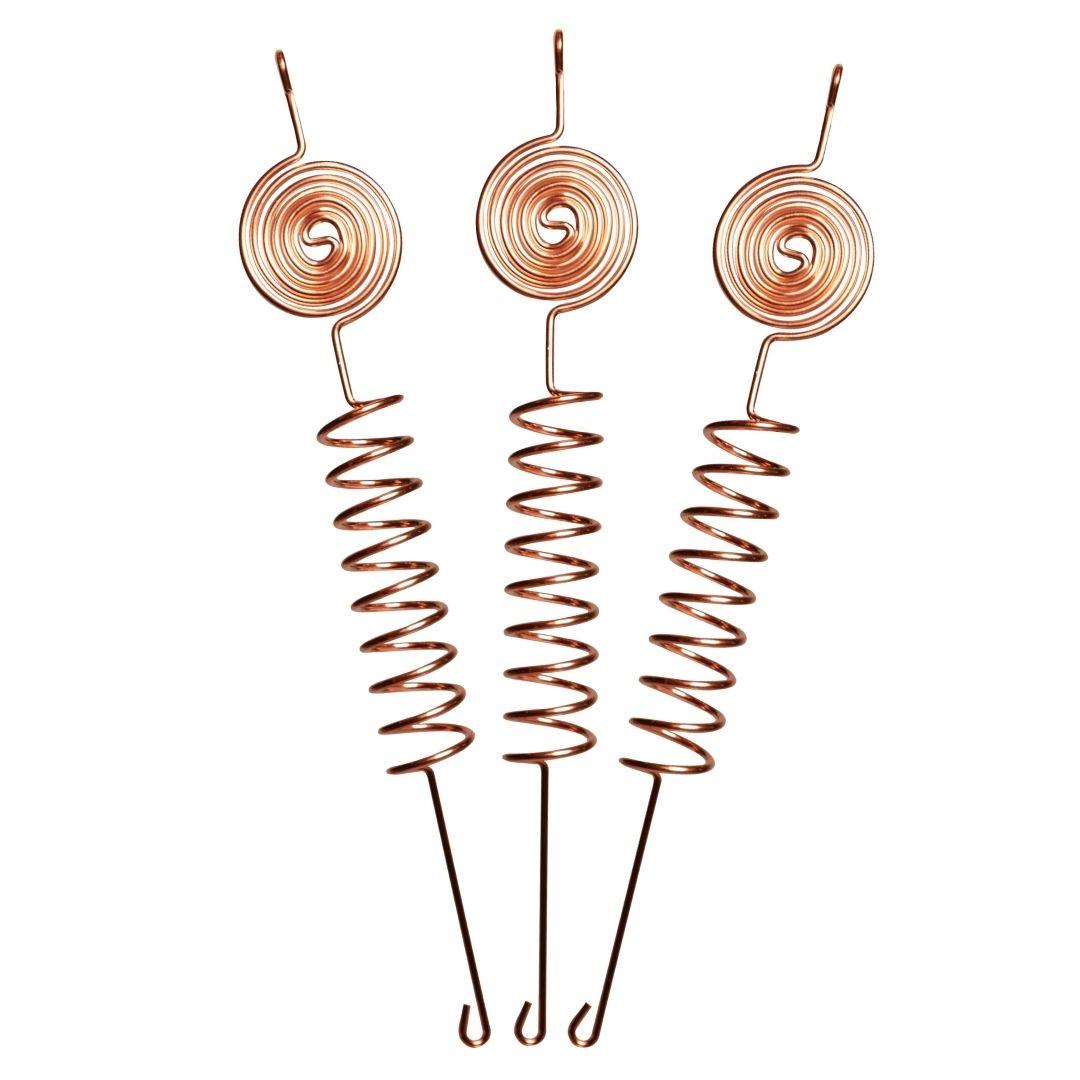
Electroculture, a intriguing method , suggests that vegetation can thrive when exposed to low-voltage electric fields . Some electroculture suggest that this gentle stimulation increases mineral absorption , causing to quicker growth and potentially bigger yields . While rigorous confirmation has been limited , dedicated practitioners share remarkable results in their individual gardens , inspiring ongoing exploration of this unconventional system to agriculture and food cultivation.
The Beginner's Guide to Electroculture Gardening
Wanting to explore a innovative gardening system? Electroculture gardening uses harnessing subtle energies to improve plant development . The process sounds futuristic, but the core principles are surprisingly easy to grasp . Typically, it requires creating a grid of conductive wire around your seedlings , often connected to a gentle energy source. While definitive proof is available limited, many enthusiasts experience significant electroculture farming increases in crop health and output . We'll briefly examine the essentials in later sections.
Can Electrical Farming Really Work? Distinguishing Truth from Fantasy

Electroculture, an approach involving low-voltage current to boost crop growth, ignited significant buzz online. However, it's vital to thoroughly examine the statements and delineate legitimate observations from dubious hype. Although certain initial tests seem to demonstrate improved yields, the empirical grounding remains mostly obscure. Many claimed successes could be caused by other factors, including the earth, hydration, or straightforward coincidence. Better research and peer-reviewed approval are needed to determine whether electroculture is a reliable agricultural technique.
Building Your Own Electrical Garden: A Detailed Guide
Embarking into the unusual world of electroculture can seem daunting, but constructing your own electroculture garden is surprisingly manageable with a certain basic steps. First, collect your materials: a vessel, copper cabling , zinc plate , water, and a electricity – a small battery or self-made cell can work . Next , arrange the copper and zinc surrounding the water within the container, ensuring they do not touch. The electrical field generated between these metals is considered to promote plant development . Finally, observe your plants and fine-tune the system as required – electroculture is as much concerning experimentation as it is about following instructions .
Electroculture vs. Traditional Gardening : What is This Variation ?
Many gardeners are considering electroculture as an alternative to standard gardening . While both seek to nurture healthy vegetation, they employ drastically distinct approaches . Traditional cultivation leans on soil elements, light , and hydration, often with supplemental fertilizers . In difference, electrical gardening leverages a small charge to energize plant development , conceivably lessening the dependence on earth and standard fertilizers . Ultimately , bio-electrical farming represents a quite innovative concept in agriculture with unique promise .
Boosting Plant Growth with Electroculture: Potential & Practicalities
Electroculture, a debated technique proposing plant growth through electrical fields , has generated considerable attention amongst gardeners . Early observations claimed significant enhancements in yield and general plant robustness. While the precise mechanism stays unknown, some theories point to enhanced water assimilation and nutrient access within the ground. Practical uses can extend from basic DIY setups utilizing copper and zinc electrodes to more sophisticated systems . However, it’s vital to approach electroculture with care , acknowledging the scant peer-reviewed rigorous data and potential hazards associated with improper implementation. Further research is required to fully comprehend the possibility and restrictions of this fascinating technique to horticulture .
- Potential benefits include increased yield and improved plant health.
- Consider the need for further research and scientific validation.
- Practical applications range from simple DIY systems to complex configurations.